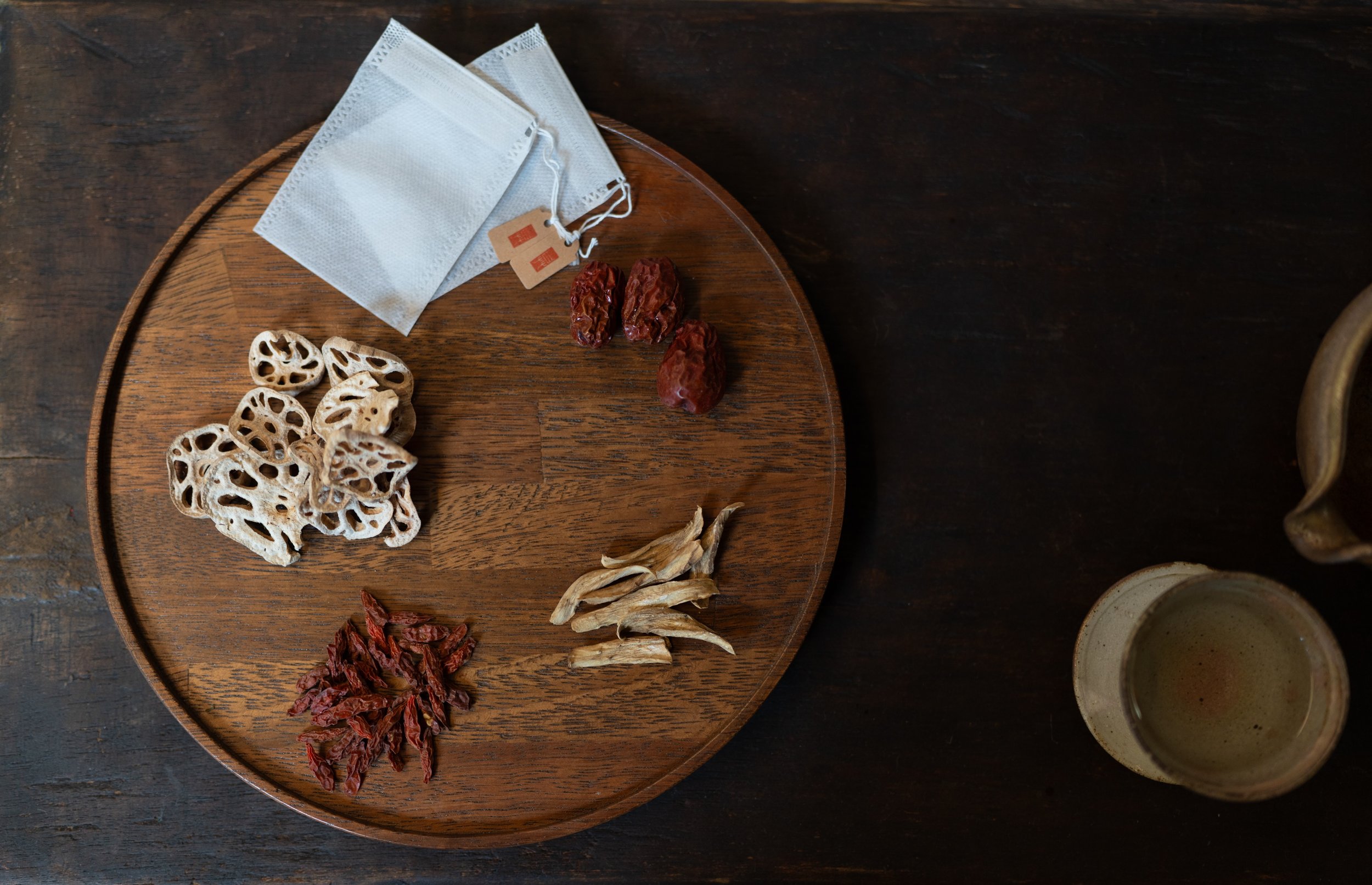
24 Jeolgi -
Korean Seasonal Medicine
The 24 Jeolgi is traditional Korean seasonal markers that divide the year into 24 phases based on the sun’s movement.
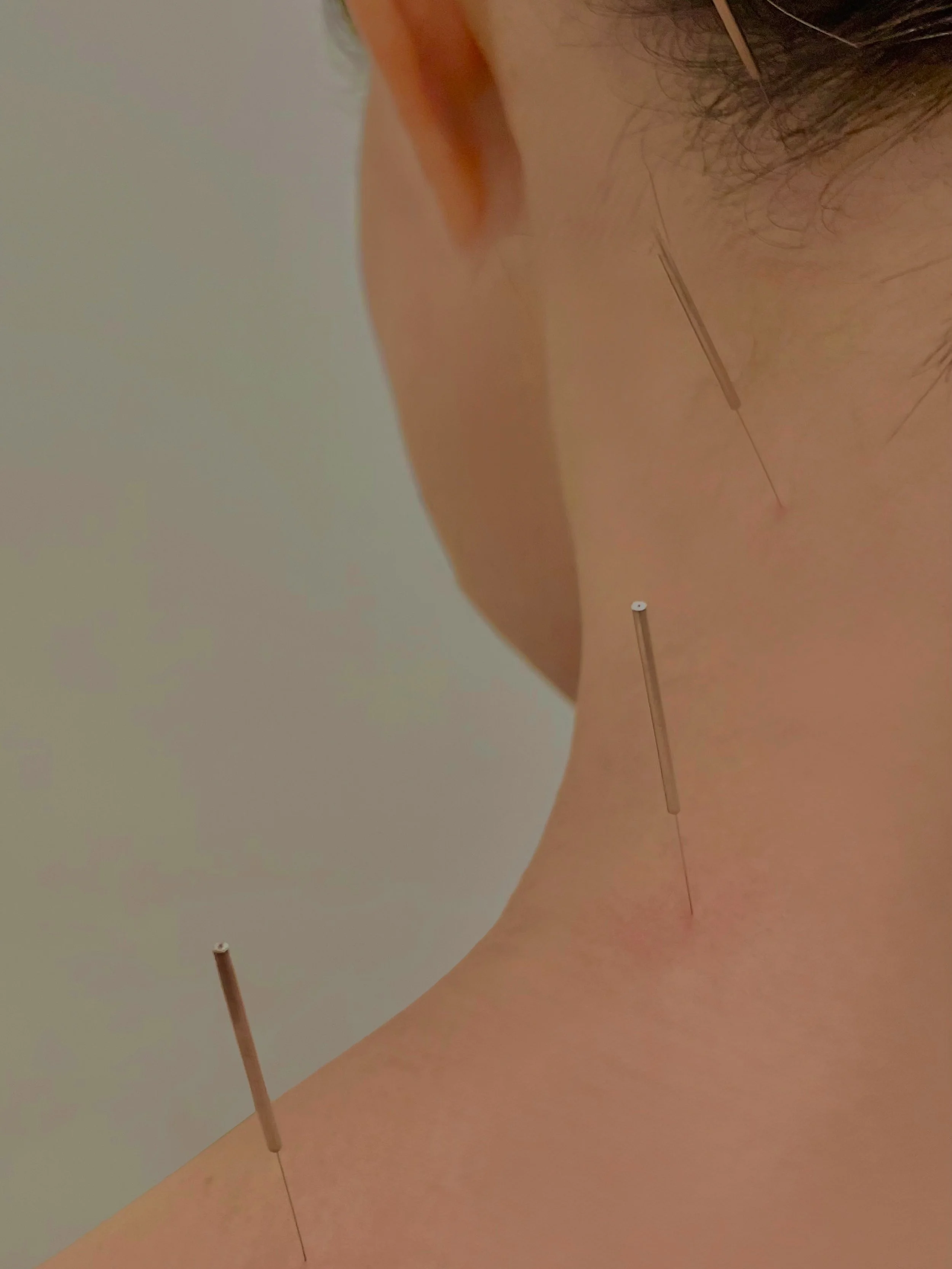
In Korean medicine, these shifts reflect changes in the body. At Gamcho, we use this framework to guide treatment and support balance throughout the year.
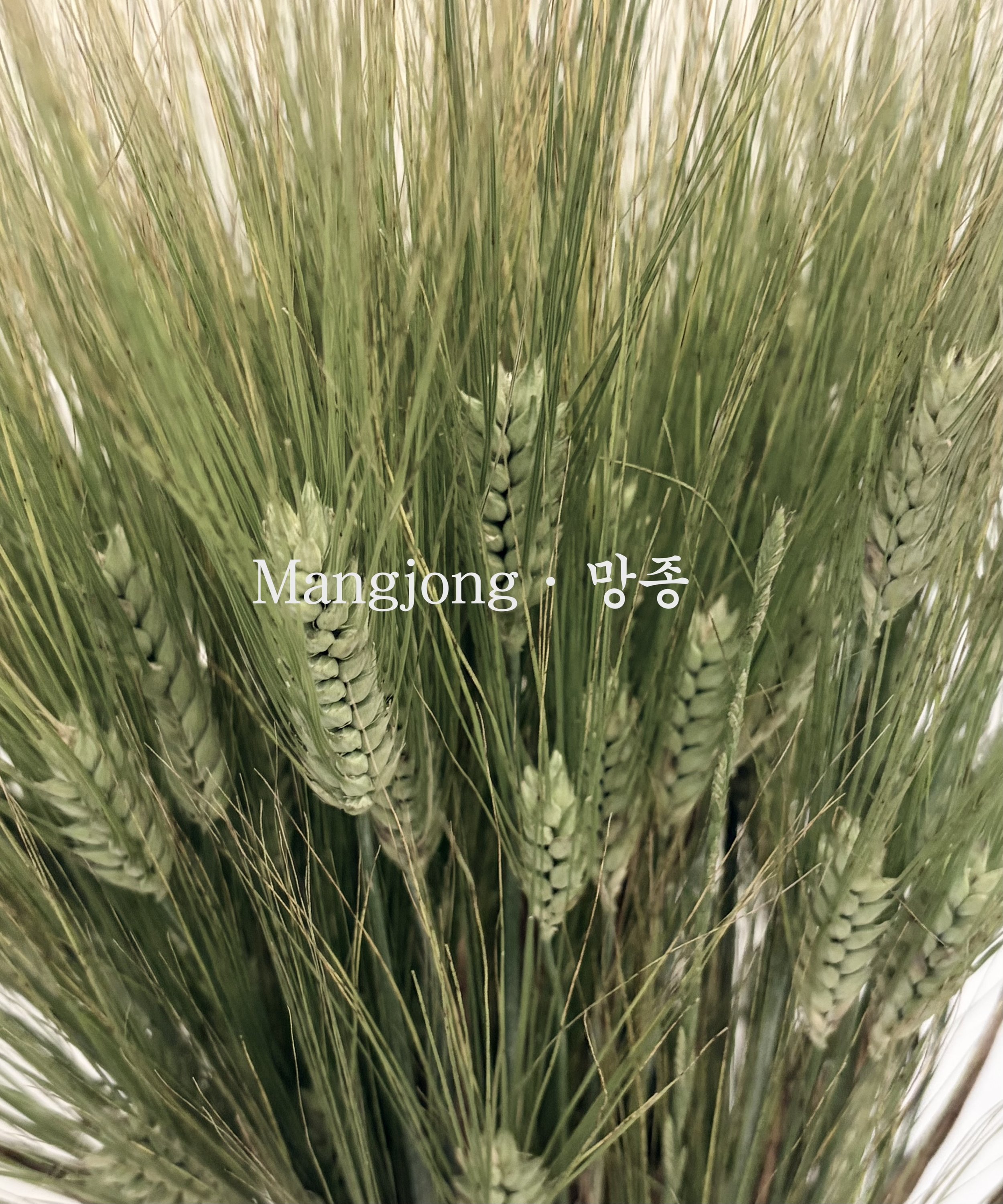
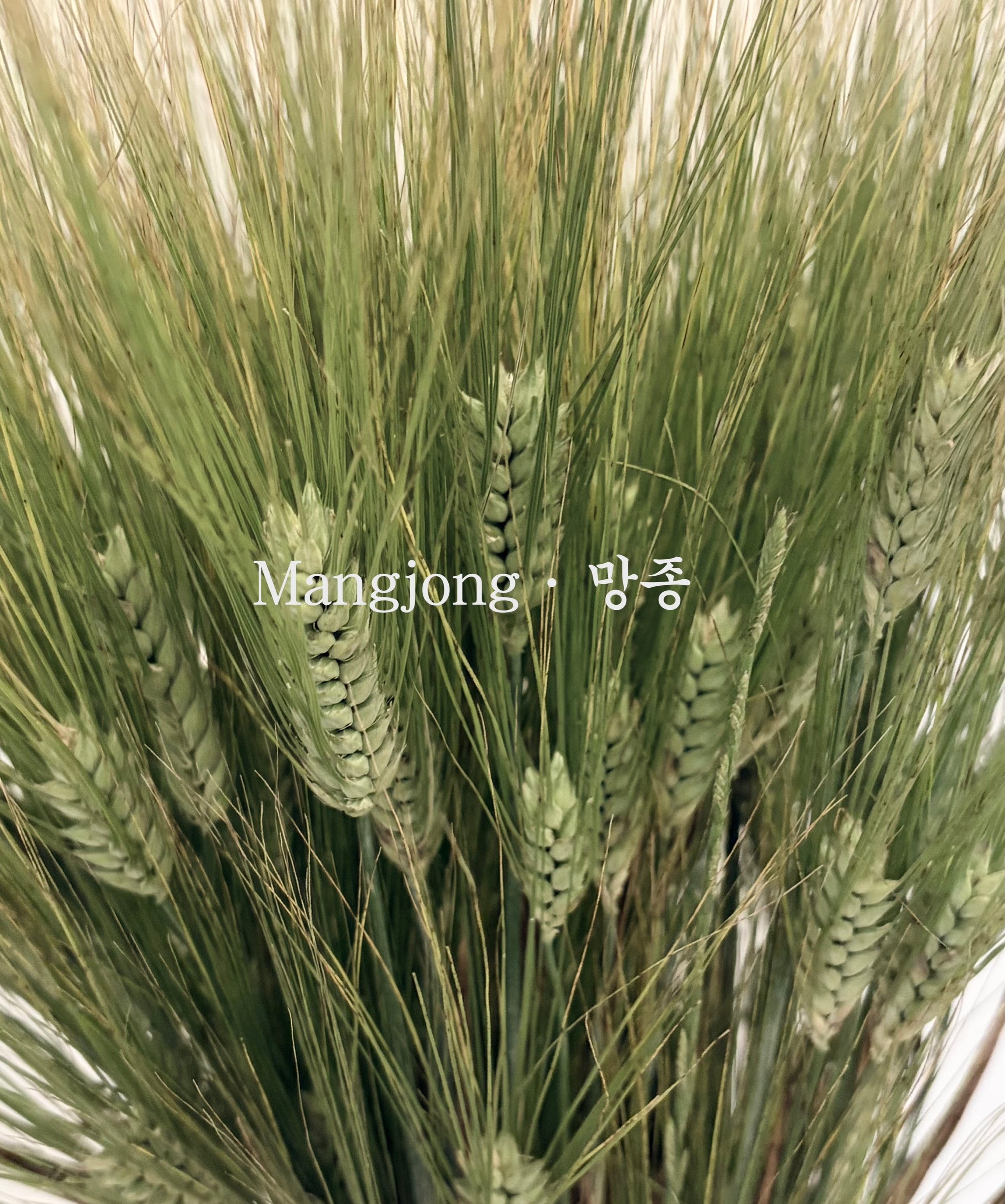
Mang-jong (망종): Grain in Ear and the Pressure of Early Summer
Mang-jong (망종), meaning “Grain in Ear,” is the ninth phase of the Korean 24 Jeolgi seasonal system and marks a time of rapid growth, increased activity, and rising summer heat. As yang energy reaches a more intense stage, many people experience restlessness, tension, mental overwhelm, disrupted sleep, and emotional overstimulation. Learn how Mang-jong affects the body and mind through the lens of traditional East Asian medicine, along with seasonal tea, food, and wellness practices to support balance during one of the busiest periods of the year.
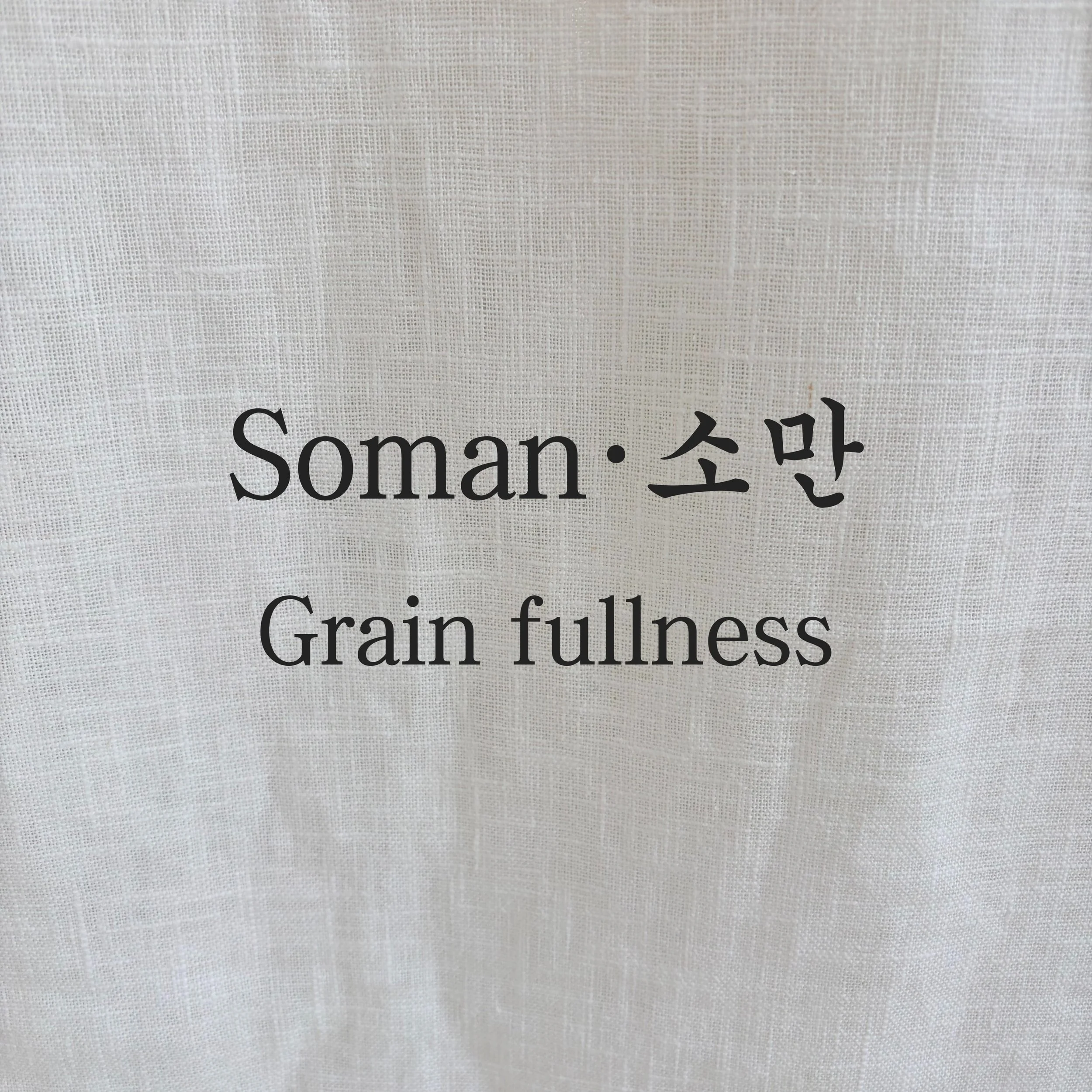
So-man (소만): Grain Fullness and the Build-Up of Early Summer
So-man (소만), meaning “Grain Fullness,” is the eighth phase of the Korean 24 Jeolgi seasonal system and marks the transition into fuller early summer energy. As warmth and humidity begin building in nature, the body may also start accumulating heat and dampness, leading to sluggishness, bloating, fatigue, mental fog, and emotional stagnation. Learn how So-man affects the body and mind through the lens of traditional East Asian medicine, along with seasonal tea, food, and wellness guidance for early summer.
Ip-ha (입하): The Beginning of Summer and the Opening of the Heart
Ip-ha (입하) marks the official beginning of summer in the Korean 24 Jeolgi seasonal system. As temperatures rise and energy becomes more outward and active, the body naturally shifts toward increased circulation, stimulation, and emotional expression. Learn how this seasonal transition affects the body and mind through the lens of traditional East Asian medicine, along with seasonal tea, food, and wellness guidance for early summer.
Gogu (곡우): Grain Rain and Deep Nourishment in Late Spring
Gogu (곡우) marks the season of Grain Rain, when spring moisture supports deeper nourishment and steady growth in the body. This phase emphasizes strengthening digestion, reducing dampness, and building stable energy through warm foods, herbal teas, and grounding seasonal care.
Cheongmyeong (청명): Clear Brightness and Seasonal Clarity
Cheongmyeong marks a clear seasonal shift in early spring, when rising energy becomes more visible in the body, requiring gentle support for circulation, clarity, and emotional balance through simple routines, light foods, and seasonal acupuncture care.
Chunbun (춘분): Finding Balance in Mid-Spring
Chunbun marks the midpoint of spring, when energy begins to stabilize and the body seeks balance. This seasonal shift is a time to support steady routines, gentle movement, and light, nourishing foods. By maintaining consistency and caring for digestion and circulation, you can align with the natural rhythm of spring and sustain balanced energy.
Gyeongchip · 경칩: Awakening of Spring
Gyeongchip (경칩) marks the awakening of spring — when circulation rises, Liver energy becomes active, and subtle tension may appear in the body. Gentle movement, warm teas like barley and chrysanthemum, and nourishing seasonal foods support smooth flow and balance, helping you step into spring with ease and energy.
Usu 우수(雨水): Rain Water & Softening Into Spring
Usu marks the soft arrival of moisture after winter’s dryness—a time when the body begins to loosen, circulate, and awaken with early spring energy. This seasonal shift invites gentle movement, liver support, and nourishing teas to help the body transition from stiffness to flow.
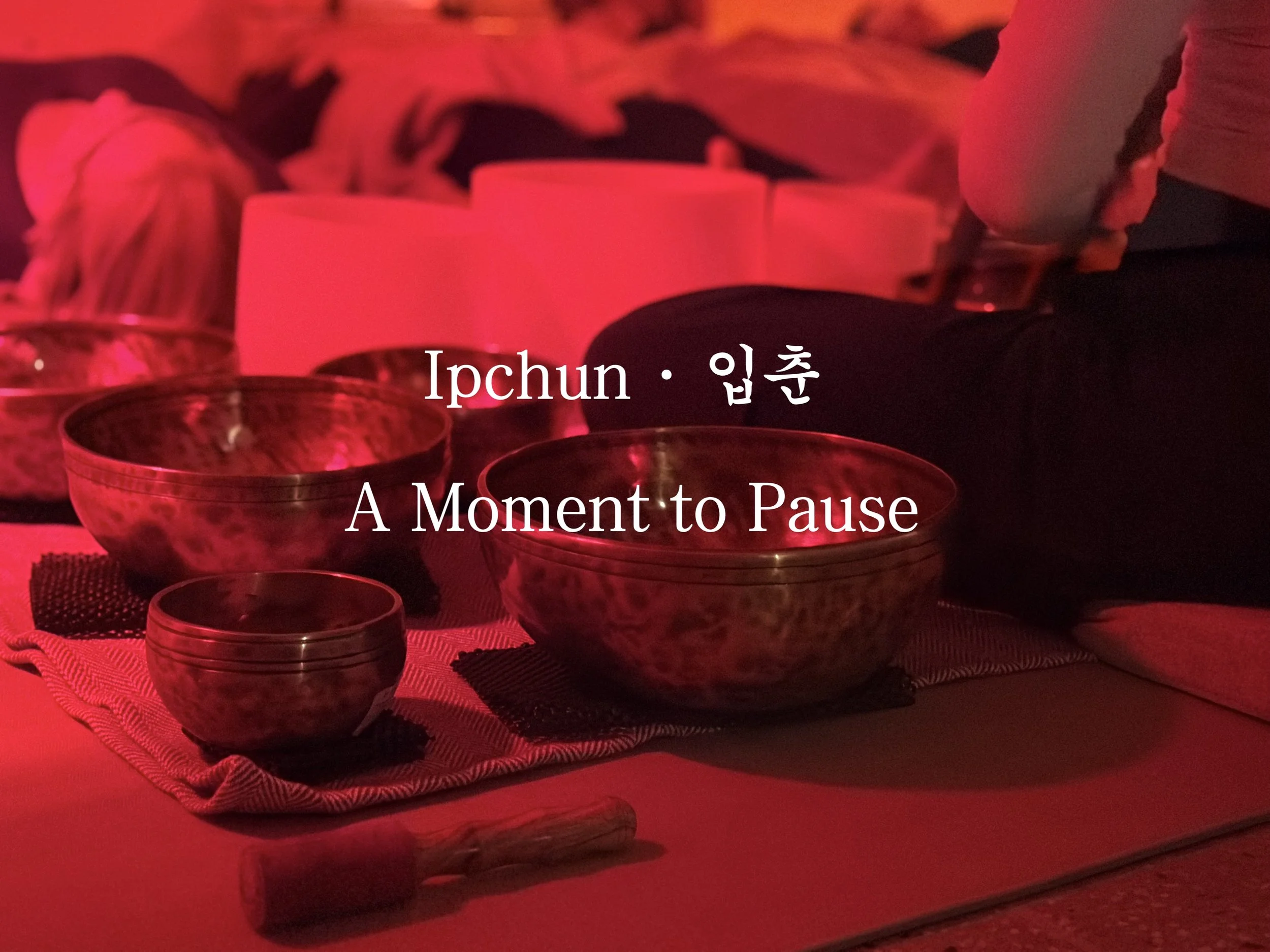
Ipchun 입춘 — The Power of Meditation
Ipchun marks the beginning of spring in Korean medicine, a time when the body is still adjusting after winter. Learn how a few minutes of daily meditation can calm the nervous system, support mental clarity, and prepare your body for the new season.
Ipchun 입춘 — Beginning of Spring in Korean Medicine
Ipchun (立春) marks the beginning of spring in Korean medicine’s 24 Jeolgi calendar. This quiet transition from winter focuses on gently awakening energy, supporting circulation, and nourishing the body with light, warming foods and teas to prepare for a balanced spring.
Pine Nut Juk (잣죽) — A Nourishing Daehan Recipe
Pine Nut Juk is a warm, nourishing porridge perfect for Daehan, the coldest period of winter in Korean medicine. Learn how this simple recipe supports digestion, strengthens the kidneys, and provides gentle energy to help your body stay balanced and cozy during the deep winter season.
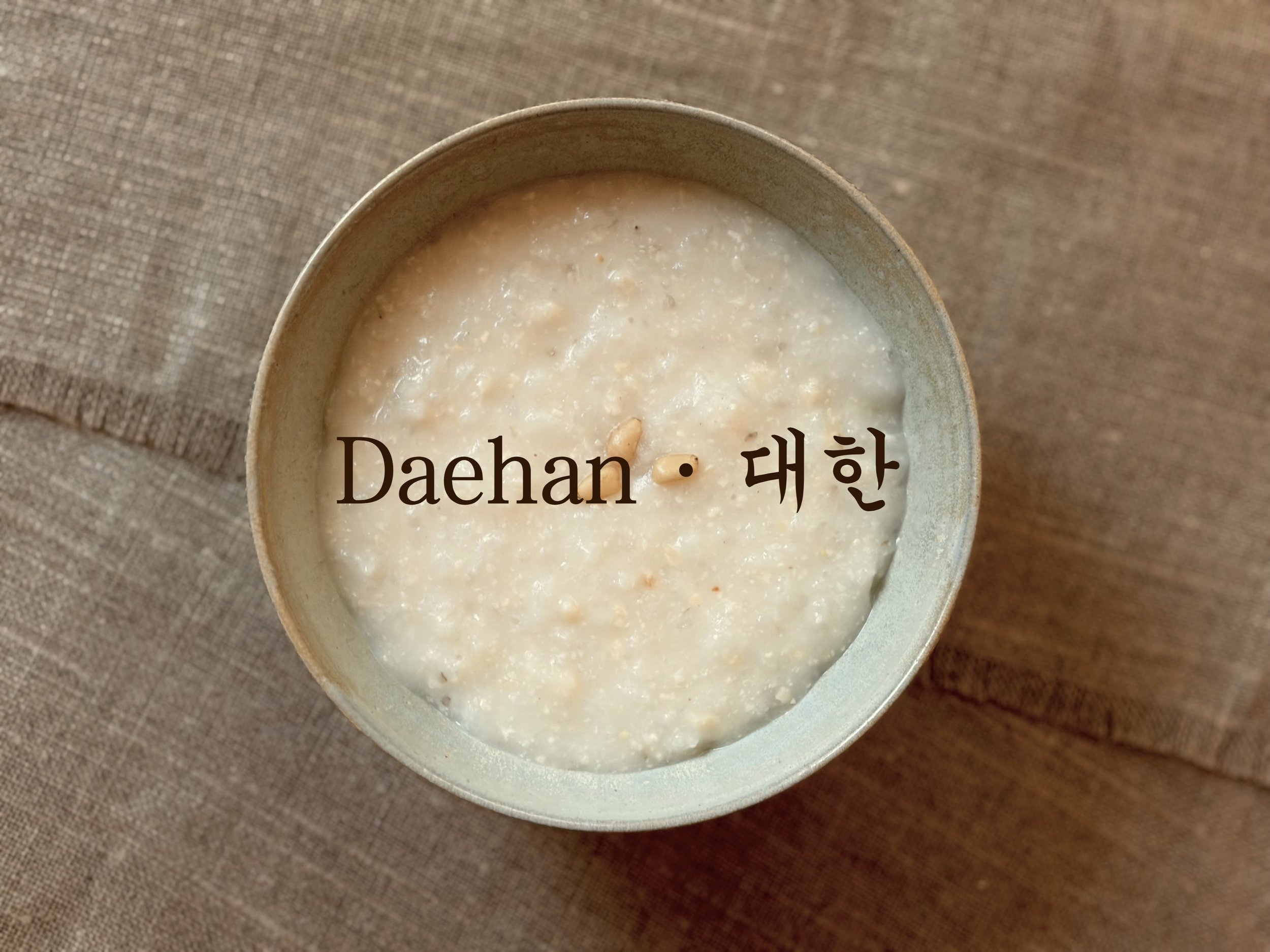
Daehan · 대한 — The Deepest Winter Season in Korean Medicine
Daehan (대한) marks the deepest winter phase in Korean medicine’s 24 Jeolgi calendar. Lasting from late January to early February, this season emphasizes rest, warmth, and deep nourishment to protect kidney energy, support immunity, and prepare the body for the transition into spring.
Ginger & Jujube Tea — A Warming Sohan Seasonal Recipe
A warming Ginger & Jujube Tea recipe for Sohan (小寒), supporting digestion, immunity, and balance during the coldest season in Korean medicine.
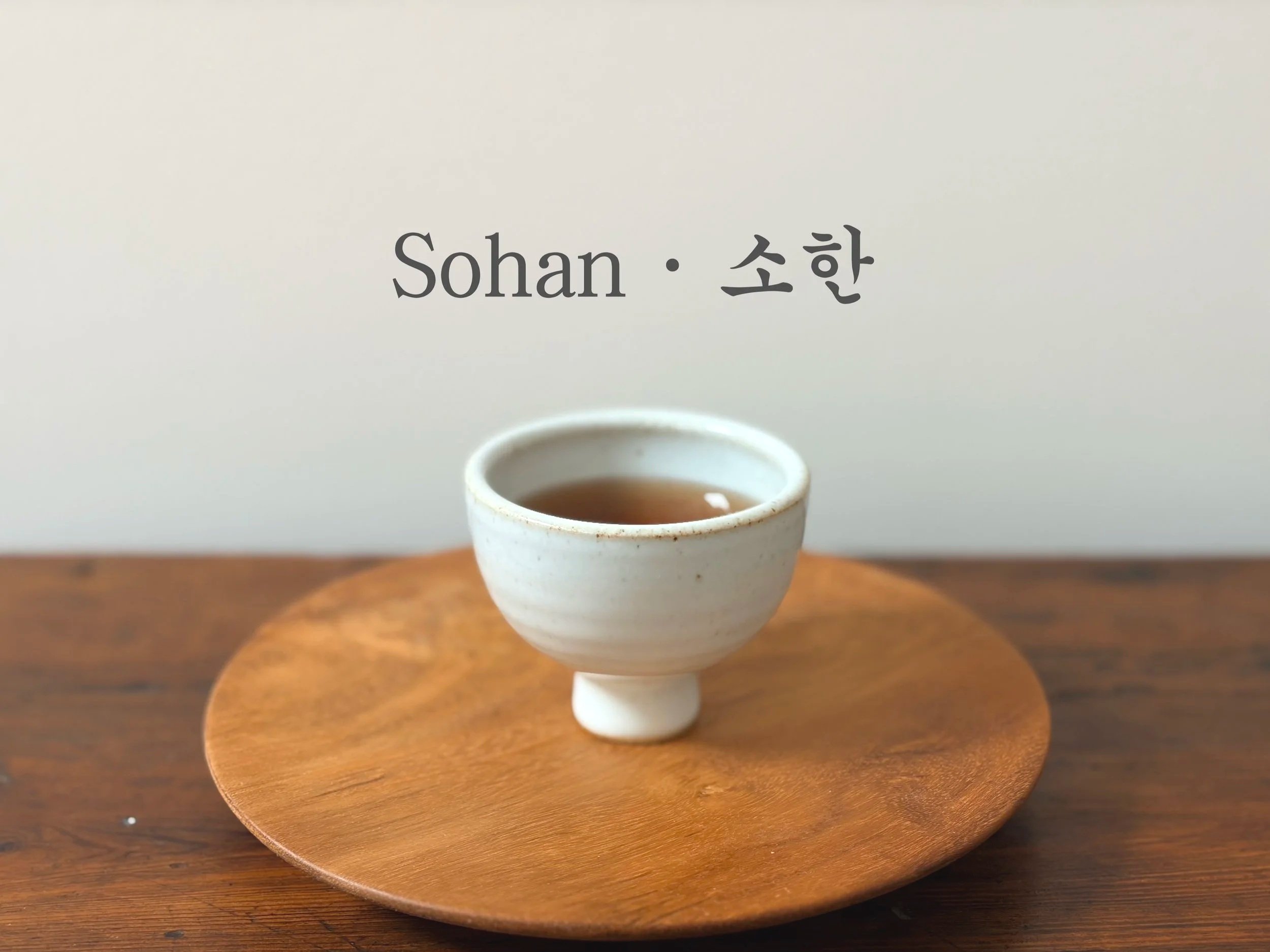
Sohan · 소한 — Caring for Your Body in the Coldest Season
Learn about Sohan -소한(小寒), the start of the coldest Korean medicine season, and how diet, tea, and acupuncture support immunity and balance.
A Korean Medicine Guide to Seasonal Health —24 Jeolgi
24 Jeolgi is a Korean medicine seasonal calendar that divides the year into 24 phases, guiding acupuncture, diet, and preventive health care in alignment with natural seasonal changes.